
Okay, so check this out—I’ve been poking around Solana wallets for a while. Wow! The first time I loaded an NFT drop with a fresh wallet, my heart raced. Seriously? Yep. My instinct said this was going to be messy, but Phantom smoothed a lot of the rough edges. Initially I thought browser extensions were a plague for security, but then I started to notice how the UX actually pulls most people through without panic. Actually, wait—let me rephrase that: extensions can be risky, though good ones make everyday interactions sane and quick.
Here’s the thing. Wallets used to feel like command-line tools. Now they have to serve collectors, gamers, and casual HODLers all at once. Whoa! Phantom does a lot of heavy lifting on Solana without being intrusive. On one hand there’s the fast transaction speed you expect from Solana, and on the other there’s the soft, human layer Phantom adds with confirmations, token lists, and easy NFT galleries. My first impressions were pragmatic: I wanted speed and clarity. Over time I noticed subtler wins—like clear error messages and sane defaults that stop you from sending the wrong token to the wrong chain.
Let me be honest—I’m biased, but wallet design matters to me. This part bugs me: many wallets talk features but hide the small things that break trust. Phantom nails many of those little details. (Oh, and by the way…) it integrates with marketplaces and dapps in a way that feels like an actual app handshake instead of a cold API call. That handshake is what saves airdrop minutes and sanity during a drop, trust me.
How the browser extension fits into your Solana flow
If you want to add an extension to your browser, the phantom wallet extension is the familiar option many Solana users reach for. Wow! Installation is straightforward. You click, approve permissions, and create or import a wallet with a seed phrase. My first-use gut check: are key management prompts clear? With Phantom they mostly are. Initially I worried about hidden options and scary technical jargon, but the flow stayed readable and gave prompts at the right time—backups, naming accounts, and network selection.
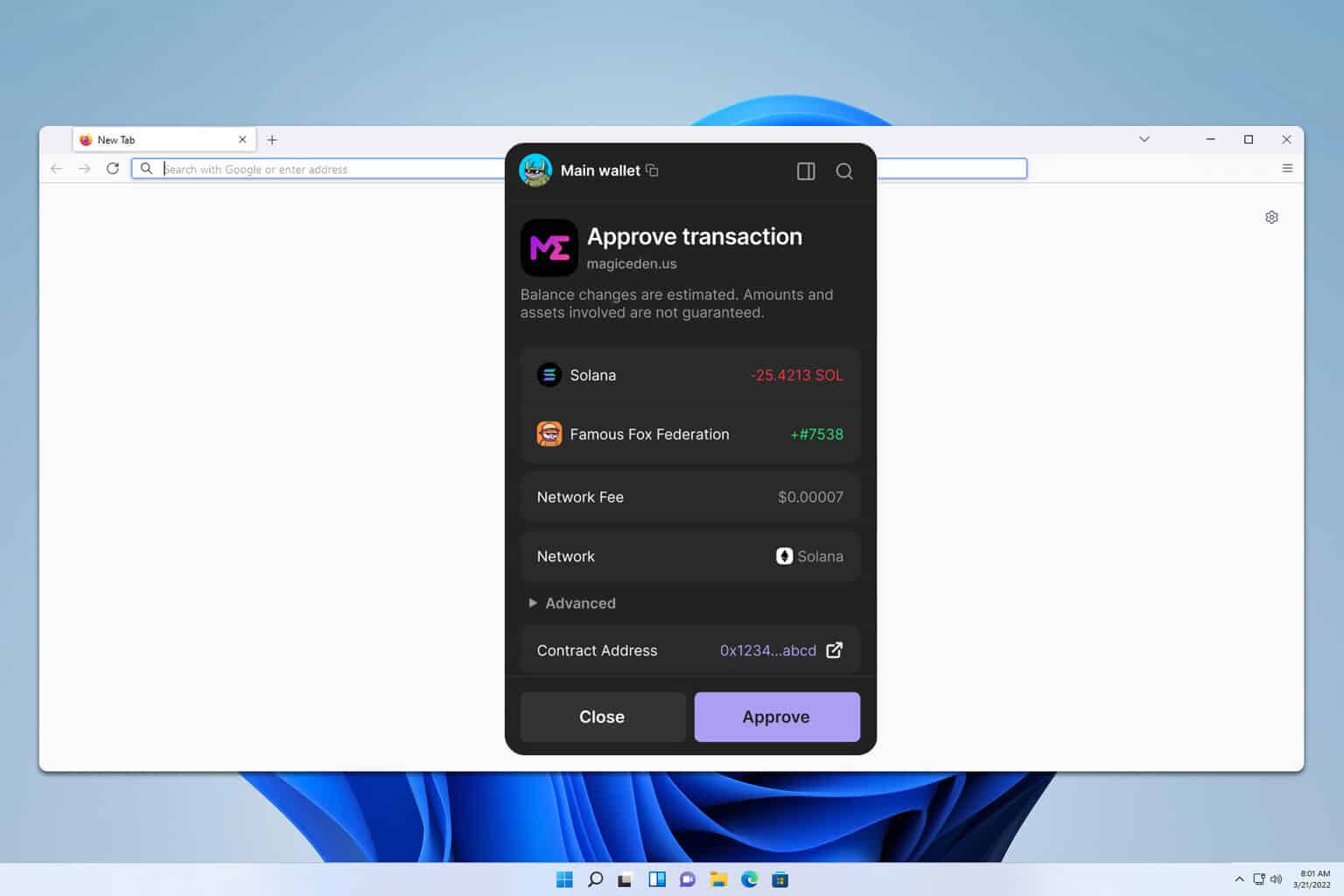
When you link Phantom to an NFT marketplace, the extension pops up and shows exactly what you’re approving. Seriously? Yes. That confirmation step prevents accidental approval for spending tokens to unknown contracts. On very very rare occasions I’ve seen shopping-cart like UX glitches, but they were easy to recover from. For collectors especially, the NFT gallery built into the extension is a lifesaver—no more hunting token mints across explorers to prove ownership.
On the security side, think layered defense. Short phrase: never share your seed. Long thought: if you keep your seed offline and use the extension only as a signing mechanism on a machine you trust, you reduce attack surface dramatically, though you still must watch phishing sites and fake popups. Hmm… something felt off about some phishing tricks lately, and my research showed social-engineered popups mimic the exact Phantom copycat screens—so be extra careful about domains and permissions.
Initially I thought wallets were only for crypto traders. But collectors and creators use them daily too. On one hand it’s great to have instant mint approvals; on the other hand, the attention span of users is short and mistakes happen. So design matters. Phantom’s confirmations, network indicators, and token labels make errors less likely. Actually, I ran a quick checklist the other day—recovery phrase present, hardware wallet support considered, token approvals visible—and Phantom ticked most boxes for a browser extension wallet.
Let’s talk hardware. You can pair a hardware key with your extension. Wow! That reduces online compromise risk significantly. But I’ll be honest—I don’t love how some dapps still ignore the hardware flow, pushing users to sign via the extension only. It’s a mixed bag and, well, that part bugs me. Still, the ability exists and for power users it’s a must.
Performance is the other love note. Solana’s low fees and fast blocks are useful only if your wallet doesn’t choke during high traffic. Phantom keeps things snappy. Transactions go through fast and confirmations are quick to appear in the UI. There are rare moments of queue delays at huge drops, but the extension surfaces pending status cleanly, which reduces panic during releases.
(Small tangent) If you’re from the US and you like coffee and deadlines, you’ll appreciate a wallet that doesn’t slow you down while minting at 9AM after your commute. That regional life detail matters—time is squeezed and crypto tools can’t be stage props; they have to perform.
FAQ
Is Phantom safe to use as a browser extension?
Short answer: yes, with caveats. Use a long seed stored offline, enable any available hardware wallet integration if you can, and verify domains before approving transactions. My instinct says treat extensions like delicate instruments: handle carefully. On the other hand, Phantom has focused on clarity and user prompts which helps reduce accidental exposure. I’m not 100% sure about future threats, though—so stay vigilant.
Can I store all my NFTs in Phantom?
Yes, you can view and manage most Solana NFTs directly in the wallet. However, for high-value collections consider cold storage strategies or custodial alternatives for extra insurance. Also, sometimes metadata loads slowly for new mints—patience helps. If an NFT doesn’t show up immediately, check the token account on an explorer or refresh your connection.